
By Chris Elder (2/10/2026)
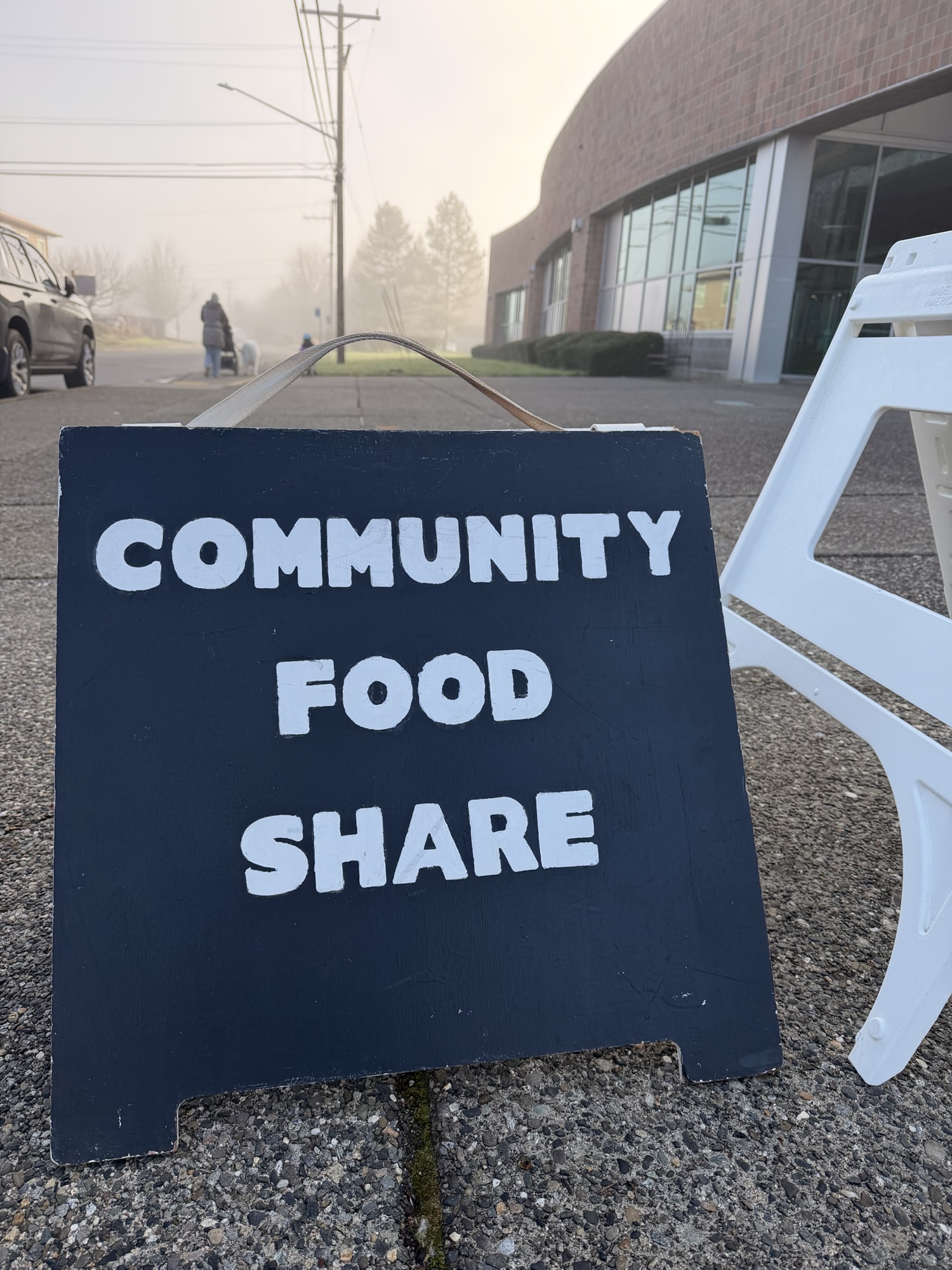
Monroe, Wa — Every Tuesday morning, community members gather at the Monroe library, not for books or research, but for something more immediate: food. Standing among stacks of boxes outside the Library is Ben Linsenmann, greeting families and quietly unloading groceries that would otherwise end up in a landfill.

(Photo by Chris Elder
Linsenmann isn’t there for recognition. The Army veteran shows up each week to help distribute recovered food through Food Rescue of Sky Valley, continuing a life defined by service long after his time in uniform ended.
Now a volunteer, Linsenmann helps turn surplus groceries from local stores into meals for families across Monroe and surrounding Snohomish County communities. The work reflects a belief that helping others doesn’t require attention—only action.
“We pick up the food from grocery stores that they can’t sell, but is still good,” Linsenmann said.
Linsenmann joined the Army in 2008 after being laid off three times at age 21. He said he was looking for stability and a way to build something lasting. During his service, he completed deployments in Iraq and Afghanistan and worked on Army aircraft before leaving the military in 2015.

(Photo by Chris Elder
For him, service didn’t end when his enlistment did. It simply changed direction.
“I wanted to help out, I heard Food Rescue of Sky Valley was a great thing for the community,” he said. “I wanted to actually start doing stuff, I was tired of sitting at home just watching.”
Service is also a shared value at home. Linsenmann said his husband also served in the military, and both believe strongly in continuing to support their community and country beyond their time in uniform.
Each week, volunteers collect food, store it, and set up distribution tables for families. Attendance varies, but typically 20 to 30 people arrive depending on supply and season.
“Some days we have a lot, some days are lean,” Linsenmann said. “We do what we can,”
The operation depends on steady coordination and support. Volunteers make pickups, sort donations, and prepare items for distribution. Refrigeration and storage remain among the program’s highest costs, and even simple supplies like reusable shopping bags are always in demand.
“We run out of bags fast,” Linsenmann said. “Even donating shopping bags helps a lot.”
Any leftover food is given to local farmers for animal feed, ensuring nothing ends up in the landfill.
“Nothing gets wasted,” Linsenmann said. “Everybody benefits.”
Linsenmann said his understanding of service has evolved since leaving the military.
“If you have the time and skill, use them to help people.”
For those who want to make a difference but don’t know where to start, he points to simple actions.
“Find a way to donate. Show up Tuesday for the food bank from 9 to 10 a.m., even bringing bags for community members is a way to start.”
People like Linsenmann represent a quieter kind of leadership — individuals who see problems and choose to act instead of complain. His consistency reveals a pattern seen among many veterans who continue serving their communities long after military life ends.
For Linsenmann, the work isn’t about recognition. It’s about showing up and putting in the time to help others.

Community
(Photo by Chris Elder
“You don’t always have to protest,” he said. “You can bring coffee, bring food, bring help. Bring a solution.”
Linsenmann’s example inspires others in the community to lift those in need and take service beyond words — and into action.

Leave a Reply